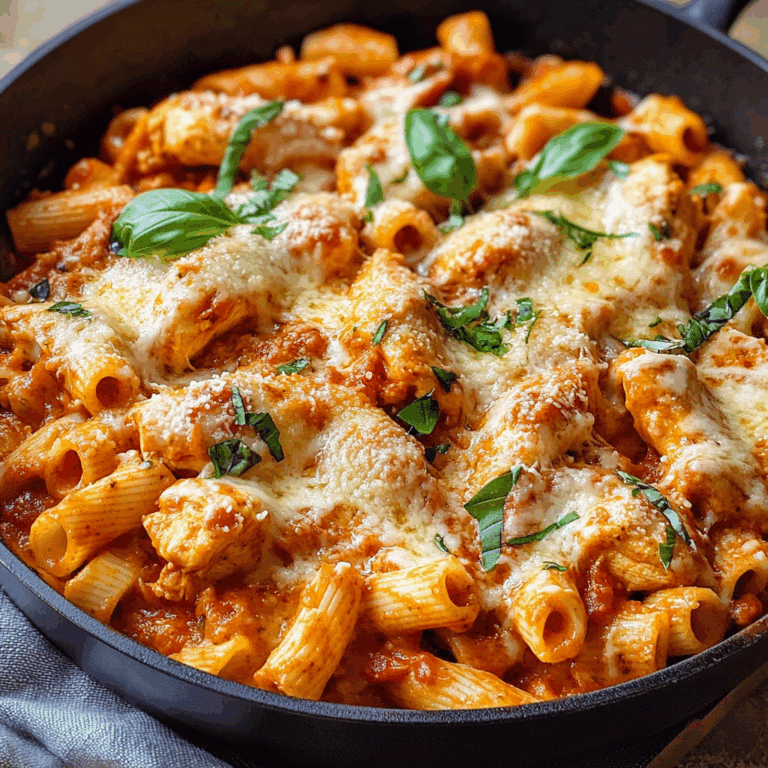
Cacio e Pepe

If you’re craving a pasta dish that’s both simple and stunningly delicious, look no further than Cacio e Pepe. This classic Roman recipe showcases the magic that happens when just a few ingredients come together to create a creamy, peppery sauce that clings beautifully to tender pasta. Perfect for dinner any night of the week, it’s a favorite for anyone who loves rich flavors without unnecessary fuss. Discover the secret to creamy, flavorful Cacio e Pepe pasta with this easy step-by-step recipe perfect for any pasta lover.
Why You’ll Love This Recipe
- Simple ingredient list: Only a handful of pantry staples are needed to create something extraordinary.
- Quick and easy: Ready in under 30 minutes, it’s a hassle-free meal option for busy days.
- Rich, creamy texture: The silky sauce perfectly coats each strand of pasta without cream or butter.
- Authentic Roman flavor: A true taste of Italy that brings warmth and comfort to your table.
- Customizable: Easily adjusted for spice level, pasta type, and add-ons to suit your palate.
Ingredients You’ll Need
The beauty of Cacio e Pepe lies in its simplicity. Each ingredient plays an essential role, from the salty tang of Pecorino Romano cheese to the subtle heat of freshly cracked black pepper, complemented by perfectly cooked pasta for the ideal bite.
- Spaghetti or tonnarelli pasta: Use a long, thin pasta that holds sauce well for authentic texture.
- Pecorino Romano cheese: This sharp, salty sheep’s milk cheese creates the base of the creamy sauce.
- Freshly ground black pepper: Adds a fragrant, peppery kick that’s signature to this dish.
- Salt: Enhances the flavor of the pasta water and balances the overall taste.
- Water: Reserved pasta cooking water is essential to blend and emulsify the sauce.
Variations for Cacio e Pepe
Cacio e Pepe is wonderfully flexible. Whether you want to keep it classic or experiment, you can adapt the dish easily to meet your dietary needs or flavor preferences. Here are some creative ideas to try.
- Gluten-free pasta: Swap traditional pasta with your favorite gluten-free alternative for a celiac-friendly meal.
- Adding garlic: Sauté some minced garlic for a subtle aromatic twist to the original recipe.
- Vegetable boost: Include sautéed mushrooms or spinach for extra texture and nutrients.
- Spicy kick: Mix in red pepper flakes for a bolder, heatier version of Cacio e Pepe.
- Alternative cheeses: Try a blend of Parmesan and Pecorino for a milder, creamier flavor.

How to Make Cacio e Pepe
Step 1: Cook the Pasta
Bring a large pot of salted water to a rolling boil. Add your pasta of choice and cook until just shy of al dente, usually about 1-2 minutes less than package instructions. Save at least one cup of the starchy pasta water before draining.
Step 2: Prepare the Pepper
While the pasta is cooking, toast freshly ground black pepper in a large skillet over medium heat for about 1 minute. This releases its oils and amplifies the aroma.
Step 3: Make the Cheese Mixture
In a bowl, combine finely grated Pecorino Romano with a few tablespoons of the reserved pasta water to form a thick, creamy paste. Stir thoroughly until smooth; this will become the silky base of your sauce.
Step 4: Combine Pasta and Pepper
Add the pasta directly into the skillet with toasted black pepper, then pour in a splash of pasta water. Toss vigorously to coat every strand with that peppery warmth.
Step 5: Add Cheese Sauce
Lower the heat, then quickly mix the cheese paste into the pasta and pepper mixture, tossing continuously. If needed, add more pasta water a little at a time to reach a luscious, creamy consistency that clings to the noodles.
Step 6: Serve Immediately
Plate your pasta right away while it’s warm and silky, finishing with an extra sprinkle of Pecorino and a crack of fresh black pepper for that authentic finish.
Pro Tips for Making Cacio e Pepe
- Use freshly ground pepper: Pre-ground pepper doesn’t have the same fragrance or flavor as freshly cracked black pepper.
- Reserve pasta water: The starchy water is the secret binder for creating a creamy, non-grainy sauce.
- Grate cheese finely: This ensures the cheese melts quickly and evenly into the pasta water.
- Work quickly: The sauce emulsifies best when cheese and pasta mix while hot and with active stirring.
- Avoid overheating: Too much heat can cause the cheese to clump or become stringy, so keep it low and gentle.
How to Serve Cacio e Pepe
Garnishes
A light dusting of extra Pecorino Romano and a pinch of freshly cracked black pepper add visual appeal and enhance the flavor profile just before serving.
Side Dishes
Serve with a crisp green salad dressed simply with lemon and olive oil or roasted seasonal vegetables to balance the dish’s creamy richness.
Creative Ways to Present
Try serving Cacio e Pepe in warm pasta bowls, topped with a few fresh basil leaves or a drizzle of high-quality extra virgin olive oil for added aroma and elegance.
Make Ahead and Storage
Storing Leftovers
Place leftover Cacio e Pepe in an airtight container and refrigerate for up to 2 days. The sauce may thicken, so handle reheating gently.
Freezing
Freezing is not recommended as the delicate cheese sauce can separate and lose its creamy texture once thawed and reheated.
Reheating
Reheat leftovers in a skillet over low heat, adding a splash of water or broth to loosen the sauce, stirring constantly to revive its silky texture.
FAQs
What cheese is best for Cacio e Pepe?
Pecorino Romano is the traditional choice due to its sharp, salty flavor which is vital for an authentic Cacio e Pepe. Some also use Parmesan or a mix, but Pecorino is preferred.
Can I use a different pasta than spaghetti?
Absolutely! While spaghetti is classic, other long pastas like tonnarelli or bucatini work wonderfully because they hold the sauce well.
Is Cacio e Pepe gluten-free?
The traditional recipe is not gluten-free due to the pasta; however, you can make it gluten-free by using gluten-free pasta alternatives.
How do I prevent the sauce from clumping?
Using enough reserved pasta water and mixing the cheese quickly and continuously over low heat helps create a smooth, clump-free sauce.
Can I add cream or butter?
Traditional Cacio e Pepe uses no cream or butter; the creaminess comes entirely from cheese and pasta water. Adding cream changes the classic texture and flavor.
Final Thoughts
Cacio e Pepe is a shining example of how a few simple ingredients can become something truly breathtaking on your plate. Once you master this dish, you’ll have a go-to recipe that feels both special and effortlessly satisfying. Give it a try and bring a little taste of Rome into your kitchen tonight!
Related Posts
- Low Carb Creamy Chicken Stuffed Peppers
- Ground Beef and Brussels Sprouts
- One Pan Creamy Chicken and Gnocchi
Cacio e Pepe

Cacio e Pepe is a classic Roman pasta dish known for its simple ingredients and stunningly creamy, peppery sauce that perfectly coats tender pasta. Ready in under 30 minutes, this easy and authentic recipe uses Pecorino Romano cheese, freshly ground black pepper, and reserved pasta water to create a rich, flavorful meal without cream or butter. Perfect for a comforting dinner any night, it can be customized with different pasta types and add-ons to suit your taste.
- Prep Time: 5 minutes
- Cook Time: 15 minutes
- Total Time: 20 minutes
- Yield: 2 servings 1x
- Category: Main Course
- Method: Stovetop
- Cuisine: Italian
- Diet: Vegetarian
Ingredients
Basic Ingredients
- 200g spaghetti or tonnarelli pasta
- 100g Pecorino Romano cheese, finely grated
- 2 teaspoons freshly ground black pepper
- Salt, for pasta water
- At least 1 cup reserved pasta cooking water
Instructions
- Cook the Pasta: Bring a large pot of salted water to a rolling boil. Add your pasta of choice and cook until just shy of al dente, about 1-2 minutes less than package instructions. Save at least one cup of the starchy pasta water before draining.
- Prepare the Pepper: While the pasta cooks, toast the freshly ground black pepper in a large skillet over medium heat for about 1 minute to release its oils and amplify the aroma.
- Make the Cheese Mixture: In a bowl, combine the finely grated Pecorino Romano cheese with a few tablespoons of the reserved pasta water. Stir thoroughly until it forms a thick, creamy paste, which will be the silky base of your sauce.
- Combine Pasta and Pepper: Add the drained pasta directly into the skillet with the toasted black pepper, then pour in a splash of pasta water. Toss vigorously to coat every strand evenly with the peppery flavor.
- Add Cheese Sauce: Lower the heat and quickly mix the cheese paste into the pasta and pepper mixture, tossing continuously. Add more pasta water gradually as needed to create a luscious, creamy consistency that clings to the noodles.
- Serve Immediately: Plate the pasta while warm and silky, finishing with an extra sprinkle of Pecorino Romano and a crack of fresh black pepper for an authentic touch.
Notes
- Use freshly ground black pepper for the best flavor and aroma.
- Reserve ample pasta water, as its starch binds the sauce and prevents clumping.
- Finely grate the Pecorino Romano cheese for smooth melting.
- Work quickly while combining cheese and pasta to emulsify the sauce properly.
- Avoid high heat during mixing to prevent cheese from clumping or becoming stringy.
Nutrition
- Serving Size: 1 serving
- Calories: 450 kcal
- Sugar: 1 g
- Sodium: 600 mg
- Fat: 15 g
- Saturated Fat: 9 g
- Unsaturated Fat: 5 g
- Trans Fat: 0 g
- Carbohydrates: 60 g
- Fiber: 3 g
- Protein: 18 g
- Cholesterol: 30 mg
Keywords: Cacio e Pepe, Roman pasta recipe, simple pasta sauce, Pecorino Romano pasta, black pepper pasta