White Bread Loaf
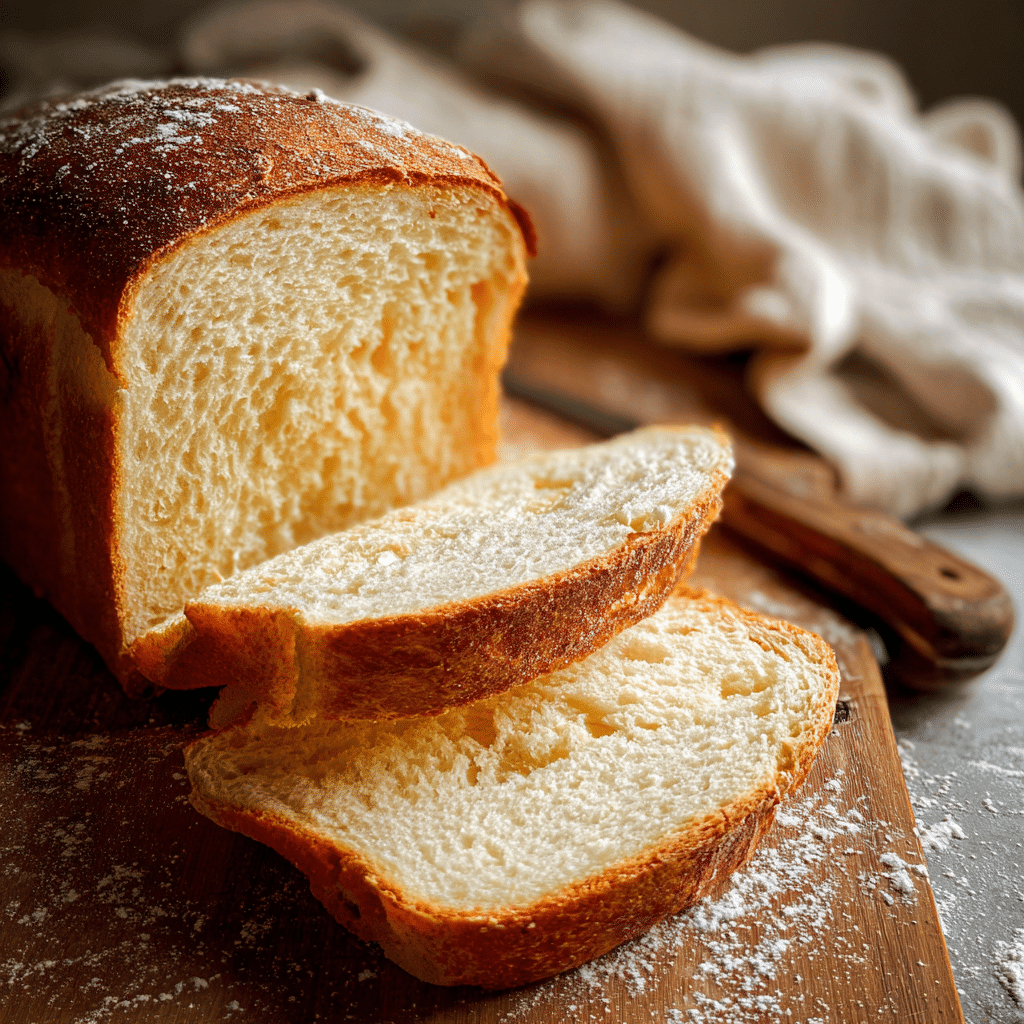
Baking a soft, fluffy White Bread Loaf at home is one of those simple pleasures that fills your kitchen with warmth and irresistible aroma. This recipe is perfect whether you’re a beginner or someone looking to master the classic white bread, delivering a golden crust and tender crumb every time. With straightforward ingredients and step-by-step guidance, you’ll learn the secret to creating that bakery-quality loaf right in your own oven, ideal for sandwiches, toast, or just enjoying plain with butter.
Why You’ll Love This Recipe
- Simple Ingredients: Uses basic pantry staples that you likely already have, making it easy to start baking right away.
- Perfect Texture: Achieves a soft, fluffy crumb with just the right chew, ensuring every bite is delightful.
- Great for Beginners: Step-by-step directions remove the intimidation factor and build your confidence in bread baking.
- Versatile Uses: Ideal for everything from sandwiches and toast to croutons and French toast.
- Customizable Flavor: Ready for add-ins or tweaks, so you can make it your own with herbs, seeds, or whole grains.
Ingredients You’ll Need
Each ingredient in this White Bread Loaf recipe plays an essential role in creating a loaf that’s flavorful, soft, and rises beautifully. From the flour’s structure to the yeast’s magic, every element is carefully balanced.
- All-Purpose Flour: The base of your loaf, providing structure and softness without heaviness.
- Active Dry Yeast: The leavening agent that makes your bread rise and become delightfully airy.
- Sugar: Feeds the yeast and adds a touch of sweetness to balance the flavor.
- Salt: Enhances the taste while controlling yeast fermentation for proper dough development.
- Warm Water: Activates the yeast and helps form the dough with the right moisture.
- Butter or Oil: Adds moisture and richness, contributing to the soft texture and golden crust.
- Milk (optional): Used sometimes in place of water for extra tenderness and a subtle creamy flavor.
Variations for White Bread Loaf
Feel free to get creative with this versatile White Bread Loaf recipe by adding your favorite ingredients or adjusting it to fit dietary needs. It’s easy to switch things around without losing that classic charm.
- Whole Wheat Blend: Substitute half the all-purpose flour with whole wheat for a heartier, nuttier flavor.
- Herb-Infused: Add chopped fresh herbs like rosemary or thyme to the dough for an aromatic twist.
- Seed Topping: Sprinkle sesame, poppy, or sunflower seeds on top before baking for extra texture and nutrition.
- Dairy-Free Version: Use plant-based milk and oil instead of butter and milk to accommodate allergies or preferences.
- Sweet Variation: Incorporate raisins, cinnamon, or honey for a subtly sweet breakfast loaf.

How to Make White Bread Loaf
Step 1: Activate the Yeast
Start by dissolving the active dry yeast and a pinch of sugar into warm water. Let it sit for about 5 to 10 minutes until it becomes frothy, which signals that the yeast is alive and ready to work its magic.
Step 2: Mix the Dough
Combine the flour, sugar, and salt in a large mixing bowl. Gradually add the yeast mixture and melted butter (or oil), stirring until the dough begins to come together. This process forms the foundation of your perfect bread.
Step 3: Knead the Dough
Turn the dough out onto a lightly floured surface and knead for 8 to 10 minutes. The dough should become smooth, elastic, and slightly tacky. Proper kneading develops gluten, which gives structure to your loaf.
Step 4: First Rise
Place the kneaded dough in a greased bowl, cover it with a damp cloth or plastic wrap, and let it rise in a warm spot for about 1 to 1.5 hours, or until it doubles in size. This step is key for a light and airy crumb.
Step 5: Shape the Loaf
Gently punch down the risen dough to release excess gas. Shape it into a loaf by rolling or folding, then place it into a greased loaf pan to prepare for the final rise.
Step 6: Second Rise
Cover the shaped dough again and let it rise for 30 to 45 minutes. It should puff up just above the edges of the pan, indicating it’s ready for baking.
Step 7: Bake to Perfection
Preheat your oven to 350°F (175°C). Bake the loaf for 30 to 35 minutes until the crust turns golden brown and sounds hollow when tapped on the bottom. A thermometer should register 190°F (88°C) inside the loaf.
Step 8: Cool Before Slicing
Remove the loaf from the pan and let it cool completely on a wire rack before slicing. Cooling sets the crumb structure, making slicing cleaner and your bread easier to enjoy.
Pro Tips for Making White Bread Loaf
- Use fresh yeast: Check the expiration date to ensure your yeast is active for the best rise.
- Don’t rush the rise: Let the dough fully double in size for lighter bread.
- Knead with purpose: When the dough springs back after pressing, it’s perfectly kneaded.
- Temperature matters: Use warm, not hot, water to avoid killing the yeast.
- Steam for crust: Place a pan of water in the oven to create steam and develop a shiny crust.
How to Serve White Bread Loaf
Garnishes
Add a sprinkle of coarse sea salt or poppy seeds on top before baking to give your loaf attractive texture and subtle flavor boosts.
Side Dishes
This bread pairs wonderfully with warm soups, fresh salads, or your favorite spreads like butter, jam, or creamy cheese for an easy and satisfying meal.
Creative Ways to Present
Try slicing the loaf thickly and toasting it with herbs and garlic for an easy bruschetta base, or use it to make a classic grilled cheese sandwich that’s sure to impress.
Make Ahead and Storage
Storing Leftovers
Wrap your leftover White Bread Loaf tightly in plastic wrap or place it in an airtight container at room temperature for up to 3 days to keep it soft.
Freezing
For longer storage, slice the bread and freeze it in a sealed freezer bag. Removing slices as needed prevents waste and keeps your bread fresh longer.
Reheating
Warm slices in a toaster or oven at low heat to restore their fresh-from-the-oven softness and aroma, making every bite taste like it’s straight out of your kitchen.
FAQs
Can I use bread flour instead of all-purpose flour?
Yes, bread flour will give your loaf a chewier texture and better rise due to higher protein content, but all-purpose flour works just fine for a soft White Bread Loaf.
How do I know if the yeast is still good?
If the yeast mixture bubbles and foams within 10 minutes of activating in warm water with sugar, it’s active and ready to use.
What temperature should the water be to activate yeast?
Water should be warm to the touch, around 100°F to 110°F (37°C to 43°C), which is perfect for activating yeast without killing it.
Can I make this dough in a stand mixer?
Absolutely! Use a dough hook attachment and mix on low speed until the dough is smooth and elastic, adjusting time as needed.
Why did my bread turn out dense instead of fluffy?
Common reasons include not allowing enough rise time, using expired yeast, or insufficient kneading which affects gluten development.
Final Thoughts
Now that you have the keys to baking a tender and flavorful White Bread Loaf, give this recipe a try and experience the joy of homemade bread. It’s a wonderful skill to master, a delicious treat to share, and a comforting classic that never goes out of style.
Related Posts
PrintWhite Bread Loaf

This White Bread Loaf recipe guides you through baking a soft, fluffy, and golden-crusted bread at home using simple pantry staples. Perfect for beginners and seasoned bakers alike, it produces a tender crumb ideal for sandwiches, toast, or enjoying plain with butter. With step-by-step instructions, customizable options, and pro tips, you can create bakery-quality bread fresh from your oven.
- Prep Time: 20 minutes
- Cook Time: 30-35 minutes
- Total Time: 2 hours 45 minutes
- Yield: 1 loaf (about 12 slices) 1x
- Category: Bread
- Method: Baking
- Cuisine: American
- Diet: Vegetarian
Ingredients
Basic Ingredients
- 3 1/2 cups all-purpose flour
- 2 1/4 teaspoons active dry yeast (1 packet)
- 2 tablespoons sugar
- 1 teaspoon salt
- 1 1/4 cups warm water (100°F to 110°F / 37°C to 43°C)
- 2 tablespoons butter or oil (melted)
Optional Ingredients
- 1/4 cup milk (used sometimes in place of water for extra tenderness)
- Fresh herbs (e.g., rosemary or thyme), chopped, to taste
- Sesame, poppy, or sunflower seeds for topping
- Whole wheat flour (substitute up to half of the all-purpose flour)
- Raisins, cinnamon, or honey for sweet variations
- Plant-based milk and oil for dairy-free version
Instructions
- Activate the Yeast: Dissolve the active dry yeast and a pinch of sugar into warm water. Let it sit for 5 to 10 minutes until frothy, indicating the yeast is active and ready.
- Mix the Dough: In a large bowl, combine the flour, sugar, and salt. Gradually add the yeast mixture and melted butter or oil, stirring until the dough begins to form.
- Knead the Dough: Turn the dough onto a lightly floured surface and knead for 8 to 10 minutes until smooth, elastic, and slightly tacky to the touch, developing gluten for structure.
- First Rise: Place the dough in a greased bowl, cover with a damp cloth or plastic wrap, and let it rise in a warm spot for 1 to 1.5 hours until it doubles in size.
- Shape the Loaf: Punch down the risen dough to release gas. Shape into a loaf by rolling or folding, then place into a greased loaf pan.
- Second Rise: Cover the shaped dough and let it rise for 30 to 45 minutes until puffed up just above the pan edges.
- Bake to Perfection: Preheat oven to 350°F (175°C). Bake for 30 to 35 minutes until the crust is golden brown and sounds hollow when tapped; internal temperature should reach 190°F (88°C).
- Cool Before Slicing: Remove the loaf from the pan and cool completely on a wire rack before slicing to set the crumb structure and ease slicing.
Notes
- Use fresh yeast and check expiration to ensure best rise.
- Allow dough to fully double in size for the lightest texture.
- When dough springs back after pressing, it is properly kneaded.
- Use warm, not hot, water to avoid killing the yeast.
- Place a pan of water in the oven while baking to create steam and develop a shiny crust.
Nutrition
- Serving Size: 1 slice (1/12 of loaf)
- Calories: 120
- Sugar: 2g
- Sodium: 190mg
- Fat: 3g
- Saturated Fat: 1.5g
- Unsaturated Fat: 1.5g
- Trans Fat: 0g
- Carbohydrates: 22g
- Fiber: 1g
- Protein: 4g
- Cholesterol: 10mg
Keywords: white bread loaf, homemade bread, soft bread, fluffy loaf, easy bread recipe, bread for sandwiches