English Muffins

If you’re looking for a breakfast upgrade that’s both delicious and satisfying, English Muffins are the secret hero your mornings have been waiting for. These lightly toasted breads bring the perfect texture and subtly tangy flavor that complement any morning meal, making every bite a delightful experience. Whether you enjoy them with jam, eggs, or just a bit of butter, English Muffins can truly transform a simple breakfast into something special and memorable.
Why You’ll Love This Recipe
- Texture that delights: English Muffins offer a unique chewy interior with a crisp toasted crust, perfect for variety in each bite.
- Flavor enhancer: Their slight tanginess balances sweet and savory toppings beautifully, enriching your breakfast experience.
- Versatility at its best: From classic butter and jam to eggs Benedict, English Muffins pair effortlessly with a wide range of flavors.
- Quick and easy preparation: Toasting English Muffins only takes minutes, making them ideal for busy mornings without sacrificing taste.
- Filling and satisfying: Their dense, pocketed structure holds toppings well, keeping you energized until your next meal.
Ingredients You’ll Need
Creating the perfect English Muffins at home is surprisingly simple, thanks to a handful of essential ingredients. Each one plays a crucial role in building the muffin’s characteristic crumb, flavor, and color that make them stand out.
- All-purpose flour: The base of the dough, providing structure and chewiness.
- Yeast: Responsible for the signature rise and airy texture inside each muffin.
- Milk: Adds richness and softness to the crumb for that tender bite.
- Sugar: Just a touch creates subtle sweetness that balances the muffin’s tang.
- Salt: Enhances overall flavor and helps control yeast activity.
- Cornmeal: Sprinkled on top and bottom before cooking, it prevents sticking and adds a slight crunch.
- Butter: Adds richness and helps create that golden brown crust.
Variations for English Muffins
One of the best things about English Muffins is how easy they are to customize. Whether you want to adapt for dietary needs or just shake up your morning routine, here are some tasty options to get creative with your English Muffins.
- Whole wheat twist: Swap half the all-purpose flour for whole wheat for a nuttier flavor and added fiber.
- Gluten-free edition: Use a gluten-free flour blend suited for yeast breads to accommodate dietary restrictions.
- Herb infusion: Add dried rosemary, thyme, or chives to the dough for an herby aroma and extra savory touch.
- Cheesy delight: Mix shredded cheddar or parmesan right into the dough for a melty, flavorful surprise inside your muffin.
- Sweet cinnamon sugar: Roll cooked muffins in cinnamon sugar for a sweet treat perfect with butter or cream cheese.

How to Make English Muffins
Step 1: Prepare the dough
Warm the milk gently and combine it with yeast and sugar, letting it activate until foamy. Then, mix in the flour, salt, and softened butter to form a soft dough.
Step 2: Let the dough rise
Cover the dough and let it rise in a warm place until doubled in size, usually about 1 to 1.5 hours, allowing the yeast to develop flavor and texture.
Step 3: Shape the muffins
Roll out the dough and use a round cutter to form individual muffins. Sprinkle cornmeal on a baking sheet to prevent sticking and place the muffins there for a brief second rise.
Step 4: Cook the muffins
Cook the muffins on a griddle or non-stick skillet over low heat. Flip occasionally until both sides are golden brown and the texture is cooked through.
Step 5: Cool and split
Allow the English Muffins to cool slightly, then split them open with a fork to reveal their signature nooks and crannies, perfect for holding butter or jam.
Pro Tips for Making English Muffins
- Use room temperature ingredients: It helps activate the yeast evenly and results in better dough consistency.
- Don’t rush the rising process: The slow rise develops flavor and creates the perfect muffin texture.
- Cooking temperature matters: Keep your griddle at low to medium heat to avoid burning before cooking through.
- Fork split for texture: Use a fork rather than a knife to split muffins, preserving their signature pockets.
- Store properly: Place cooled English Muffins in an airtight container to keep them fresh longer.
How to Serve English Muffins
Garnishes
English Muffins are a blank canvas begging for creativity. Classic butter and jam bring out their subtle tang, while cream cheese, honey, or sliced avocado create richer flavor profiles that brighten your breakfast plate.
Side Dishes
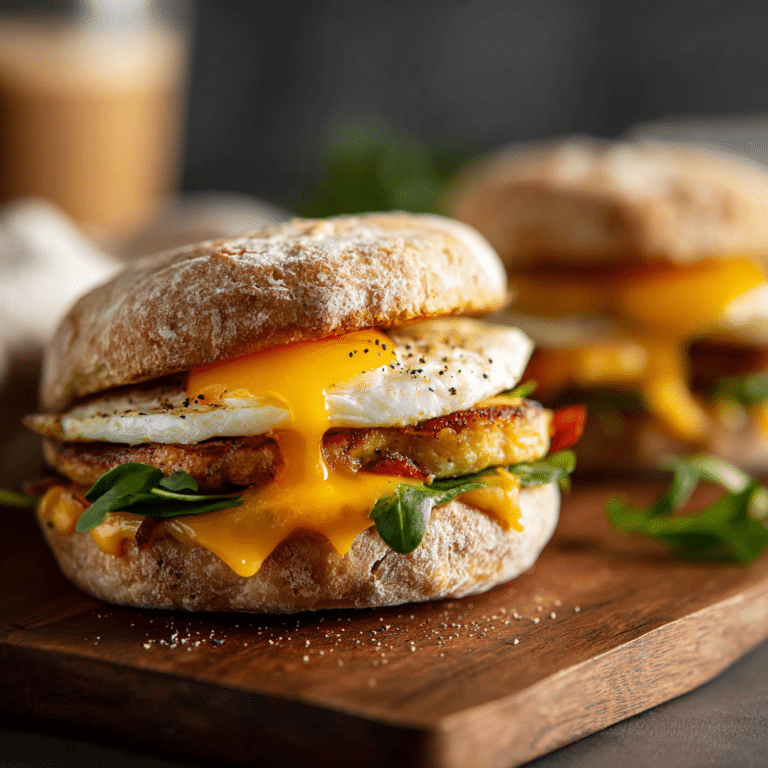
Pair English Muffins with eggs cooked any style, crispy bacon, or fresh fruit to round out a hearty, balanced morning meal that energizes you for the day ahead.
Creative Ways to Present
Try topping English Muffins with smoked salmon and dill for an elegant brunch or use them as the base for mini breakfast sandwiches filled with eggs and cheese for on-the-go convenience.
Make Ahead and Storage
Storing Leftovers
Wrap leftover English Muffins tightly in plastic wrap or place them in an airtight container to maintain freshness and prevent them from drying out.
Freezing
English Muffins freeze beautifully; individually wrap each muffin in plastic wrap and store them in a resealable freezer bag to enjoy anytime later.
Reheating
Reheat frozen or stored English Muffins by toasting them directly from the freezer, ensuring they regain crispiness and warmth without becoming soggy.
FAQs
What makes English Muffins different from regular muffins?
English Muffins are a type of flat, round bread with a unique chewy texture and nooks that trap butter and toppings, unlike sweet, cake-like regular muffins.
Can I make English Muffins without yeast?
Yeast is key to the traditional flavor and texture of English Muffins, but quick bread versions can be made using baking powder, though the texture will differ.
How do I know when English Muffins are fully cooked?
They should be golden brown on both sides and sound hollow when tapped; undercooked muffins will be doughy inside.
Are English Muffins gluten-free?
Traditional English Muffins contain gluten, but you can make or buy gluten-free versions using alternative flours designed for yeast breads.
Can I use English Muffins for sandwiches?
Absolutely! English Muffins are fantastic sandwich bases thanks to their sturdy texture and delicious flavor.
Final Thoughts
English Muffins are more than just bread; they’re a delightful way to enhance your breakfast with texture, flavor, and versatility that few other breads can match. Whether toasted simply with butter or loaded with your favorite toppings, they bring warmth and satisfaction to every morning. Give them a try and watch your breakfast game soar to delicious new heights!
Related Posts
PrintEnglish Muffins

English Muffins are a lightly toasted, chewy bread with a crisp crust and subtle tangy flavor that perfectly complements any breakfast meal. Easy to prepare at home, they offer a unique texture with nooks and crannies ideal for holding butter, jam, or other toppings. Versatile and satisfying, these muffins elevate simple breakfasts into delicious, memorable moments.
- Prep Time: 15 minutes
- Cook Time: 20 minutes
- Total Time: 1 hour 45 minutes
- Yield: 8-10 English Muffins 1x
- Category: Breakfast
- Method: Griddle Cooking
- Cuisine: British
- Diet: Contains Gluten
Ingredients
Main Ingredients
- 3 1/2 cups all-purpose flour
- 2 1/4 tsp active dry yeast (1 packet)
- 1 1/4 cups warm milk (about 110°F / 43°C)
- 1 tbsp sugar
- 1 tsp salt
- 2 tbsp unsalted butter, softened
- Cornmeal, for dusting
Instructions
- Prepare the dough: Warm the milk gently and combine it with yeast and sugar, letting it activate until foamy. Then, mix in the flour, salt, and softened butter to form a soft dough.
- Let the dough rise: Cover the dough and let it rise in a warm place until doubled in size, usually about 1 to 1.5 hours, allowing the yeast to develop flavor and texture.
- Shape the muffins: Roll out the dough and use a round cutter to form individual muffins. Sprinkle cornmeal on a baking sheet to prevent sticking and place the muffins there for a brief second rise.
- Cook the muffins: Cook the muffins on a griddle or non-stick skillet over low heat. Flip occasionally until both sides are golden brown and the texture is cooked through.
- Cool and split: Allow the English Muffins to cool slightly, then split them open with a fork to reveal their signature nooks and crannies, perfect for holding butter or jam.
Notes
- Use room temperature ingredients to help activate the yeast evenly and ensure better dough consistency.
- Don’t rush the rising process; a slow rise develops deeper flavor and ideal texture.
- Maintain cooking temperature on low to medium heat to avoid burning before cooking through.
- Split muffins with a fork instead of a knife to preserve the characteristic pockets inside.
- Store cooled English Muffins in an airtight container to keep them fresh for longer.
Nutrition
- Serving Size: 1 English Muffin
- Calories: 150 kcal
- Sugar: 2 g
- Sodium: 200 mg
- Fat: 3.5 g
- Saturated Fat: 2 g
- Unsaturated Fat: 1.5 g
- Trans Fat: 0 g
- Carbohydrates: 27 g
- Fiber: 1 g
- Protein: 5 g
- Cholesterol: 10 mg
Keywords: English Muffins, Breakfast Bread, Homemade English Muffins, Toasted Muffins, British Breakfast