Homemade Hard Candy
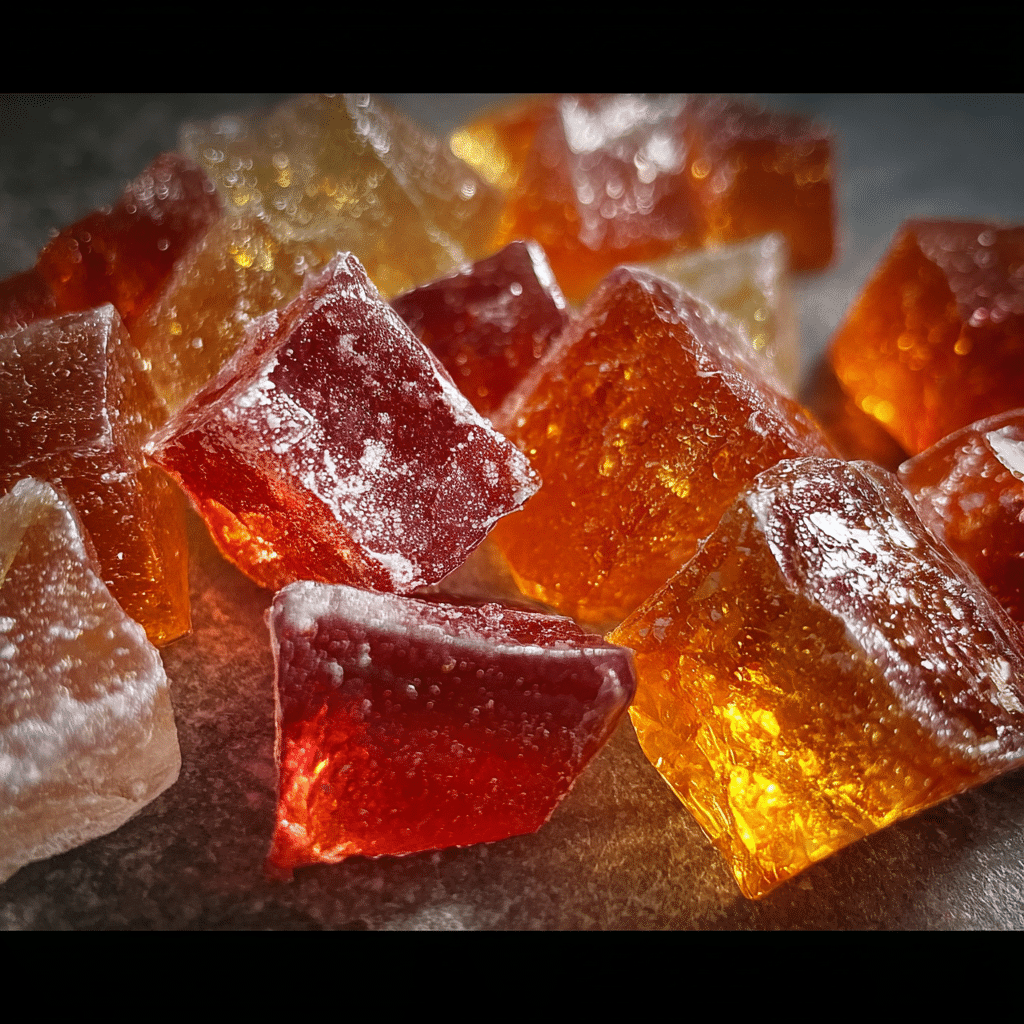
Making your own Homemade Hard Candy is a delightful way to enjoy a sweet treat that’s fresh, customizable, and full of nostalgic charm. With just a handful of simple ingredients and a little patience, you can create glossy, flavorful candies that melt in your mouth or crunch satisfyingly, depending on your preference. Whether you want classic peppermint discs, tangy fruit flavors, or colorful swirls, this guide will walk you through every step to master this fun and rewarding candy craft.
Why You’ll Love This Recipe
- Simple ingredients: You only need a few pantry staples that are easy to find and budget-friendly.
- Customizable flavors: You can create endless variations by adjusting flavors and colors to your liking.
- Perfect gift idea: Homemade candies make charming, personal gifts for holidays and special occasions.
- Fun and educational: Watching sugar transform into candy is fascinating, especially for kids and beginners.
- Long shelf life: Properly stored, hard candy can last months, giving you sweet rewards over time.
Ingredients You’ll Need
The beauty of this Homemade Hard Candy recipe lies in its simplicity. Each ingredient plays a vital role in texture, sweetness, and appearance, so having the right components will make your candy shine.
- Granulated sugar: The base of your candy, providing sweetness and structure as it crystallizes.
- Corn syrup: Prevents sugar from crystallizing too quickly and keeps your candy smooth and clear.
- Water: Helps melt the sugar evenly and control cooking temperature.
- Flavor extract: Adds your favorite tastes—whether peppermint, lemon, cherry, or vanilla.
- Food coloring: Gives your candy vibrant and appealing colors without affecting flavor.
- Optional citric acid or cream of tartar: Enhances flavor and helps maintain clarity and texture.
Variations for Homemade Hard Candy
One of the joys of making Homemade Hard Candy is how easy it is to personalize your recipe. Feel free to experiment with these ideas to keep your candy adventures exciting.
- Fruit-flavored twists: Use natural fruit extracts or juices for tangy, refreshing flavors.
- Herbal infusions: Add subtle hints of lavender, rosemary, or chamomile for unique, sophisticated treats.
- Spicy kick: Mix in a pinch of cayenne or cinnamon extract for warming, spicy notes.
- Sugar-free versions: Substitute with suitable sugar alcohols like erythritol for diabetic-friendly candy.
- Swirled colors: Combine two or more colors by swirling the syrup before it hardens for eye-catching candies.

How to Make Homemade Hard Candy
Step 1: Prepare Your Workspace
Gather all your ingredients and tools, including a candy thermometer, silicone mat or greased baking sheet, and heatproof utensils. Arrange everything within easy reach before starting, since timing is crucial once sugar begins heating.
Step 2: Combine Ingredients
In a medium saucepan, stir together sugar, corn syrup, and water. Mix until the sugar is evenly moistened but avoid stirring once the mixture heats. Attach your candy thermometer to the pan, ensuring it doesn’t touch the bottom directly to get an accurate reading.
Step 3: Boil to Hard Crack Stage
Bring the mixture to a boil over medium heat without stirring. Allow the temperature to steadily rise to 300°F (149°C), known as the hard crack stage. This ensures your candy will harden with the perfect crunch. Keep a close eye, as it can burn quickly once it nears the target temperature.
Step 4: Add Flavor and Color
Remove the pan from heat immediately after reaching 300°F. Carefully stir in your chosen flavor extract and food coloring, working quickly but gently to avoid crystallization.
Step 5: Pour and Shape
Immediately pour the hot syrup onto your prepared surface in small dollops or spread thin for sheets. You can let it cool just enough to shape, twist, or cut your candy into desired forms. Use greased hands or tools to prevent sticking.
Step 6: Cool and Store
Allow your Homemade Hard Candy to cool completely at room temperature. Once hardened, break or cut into pieces and store in an airtight container away from humidity.
Pro Tips for Making Homemade Hard Candy
- Use a reliable candy thermometer: Accurate temperature measurement is crucial for perfect texture.
- Avoid stirring while boiling: Stirring can cause unwanted crystallization and grainy candy.
- Work quickly when adding flavors: Once off the heat, add extracts and color fast to maintain consistency.
- Grease your tools and surfaces: Prevents sticking and allows smooth shaping or cutting.
- Humidity matters: Make candy on dry days or in low humidity to avoid sticky results.
How to Serve Homemade Hard Candy
Garnishes
Garnishing your candy table with fresh mint leaves, edible glitter, or small candy canes adds a festive and elegant touch that complements your homemade sweets beautifully.
Side Dishes
Pair hard candies with other treats like warm spiced tea, or a rich hot chocolate to balance the intense sweetness and keep your guests cozy and satisfied.
Creative Ways to Present
Wrap individual pieces in colorful cellophane, place in clear jars with ribbons, or arrange on decorative trays for eye-catching displays perfect for parties, gift-giving, or special occasions.
Make Ahead and Storage
Storing Leftovers
Keep your homemade hard candies in an airtight container at room temperature to maintain crispness and prevent them from absorbing moisture or odors.
Freezing
Hard candy generally does not require freezing; however, if you want to store it long-term, place the candy in a sealed bag with as much air removed as possible before freezing.
Reheating
If your candy becomes sticky or soft over time, you can gently reheat it on low heat to restore firmness, but be careful not to melt it completely.
FAQs
Can I use different sugars for Homemade Hard Candy?
Granulated sugar is best for texture and clarity, but experimenting with cane sugar or superfine sugar can affect how your candy sets and looks.
What if my candy turns cloudy or grainy?
This usually happens due to premature crystallization; be sure not to stir during boiling and work quickly when adding flavors to avoid this.
How do I know when my candy is done?
Use a candy thermometer and look for the hard crack stage at 300°F (149°C), which ensures the candy hardens properly with the desired crunch.
Can I add pieces of nuts or dried fruit?
Yes, but add them after pouring the candy onto the surface, so they don’t interfere with the boiling process or texture.
Is homemade hard candy safe for kids to make?
With supervision, kids can enjoy the creative parts like shaping and coloring, but adults should handle the hot syrup to prevent burns.
Final Thoughts
There is something truly magical about making your own Homemade Hard Candy from scratch. It’s an experience filled with sweet anticipation and rewarding results. Whether you’re crafting for yourself, family, or friends, this recipe offers a lovely way to add a homemade touch to celebrations or everyday moments. Dive in, have fun, and savor every colorful, crunchy bite!
Related Posts
PrintHomemade Hard Candy
Making your own Homemade Hard Candy is a simple and rewarding process that yields glossy, flavorful candies with customizable flavors and colors. Perfect as a nostalgic treat or a unique gift, this recipe uses basic pantry ingredients and guides you through precise temperature control to achieve the ideal hard crack texture.
- Prep Time: 10 minutes
- Cook Time: 15-20 minutes
- Total Time: 30 minutes
- Yield: About 30 small pieces 1x
- Category: Dessert
- Method: Boiling
- Cuisine: American
- Diet: Gluten Free
Ingredients
Main Ingredients
- 2 cups granulated sugar
- 2/3 cup light corn syrup
- 3/4 cup water
- 1 teaspoon flavor extract (e.g., peppermint, lemon, cherry, or vanilla)
- Food coloring of choice (a few drops)
- Optional: 1/4 teaspoon citric acid or cream of tartar
Instructions
- Prepare Your Workspace: Gather all ingredients and tools, including a candy thermometer, silicone mat or greased baking sheet, and heatproof utensils. Arrange everything within easy reach since timing is crucial once sugar begins heating.
- Combine Ingredients: In a medium saucepan, stir together granulated sugar, corn syrup, and water until the sugar is evenly moistened. Avoid stirring once the mixture starts heating. Attach a candy thermometer to the pan, making sure it doesn’t touch the bottom to get an accurate reading.
- Boil to Hard Crack Stage: Bring the mixture to a boil over medium heat without stirring. Allow the temperature to rise steadily to 300°F (149°C), the hard crack stage, which ensures the candy hardens with the perfect crunch. Watch carefully as it can burn quickly near this temperature.
- Add Flavor and Color: Remove the pan from heat immediately after reaching 300°F. Quickly but gently stir in your chosen flavor extract and food coloring to avoid crystallization.
- Pour and Shape: Immediately pour the hot syrup onto your prepared surface in small dollops or spread thin for sheets. Let it cool just enough to shape, twist, or cut into desired forms. Use greased hands or tools to prevent sticking.
- Cool and Store: Allow the candy to cool completely at room temperature. Once hardened, break or cut into pieces and store in an airtight container away from humidity.
Notes
- Use a reliable candy thermometer for accurate temperature measurement to achieve perfect texture.
- Avoid stirring during boiling to prevent unwanted crystallization and grainy candy.
- Work quickly when adding flavors and coloring after boiling to maintain smooth consistency.
- Grease tools and surfaces to prevent sticking and enable smooth shaping or cutting.
- Make candy on dry days or in low humidity to avoid sticky results and extend shelf life.
Nutrition
- Serving Size: 1 piece (about 10g)
- Calories: 40
- Sugar: 10g
- Sodium: 0mg
- Fat: 0g
- Saturated Fat: 0g
- Unsaturated Fat: 0g
- Trans Fat: 0g
- Carbohydrates: 10g
- Fiber: 0g
- Protein: 0g
- Cholesterol: 0mg
Keywords: homemade hard candy, hard candy recipe, DIY candy, peppermint candy, fruit flavored candy, candy making